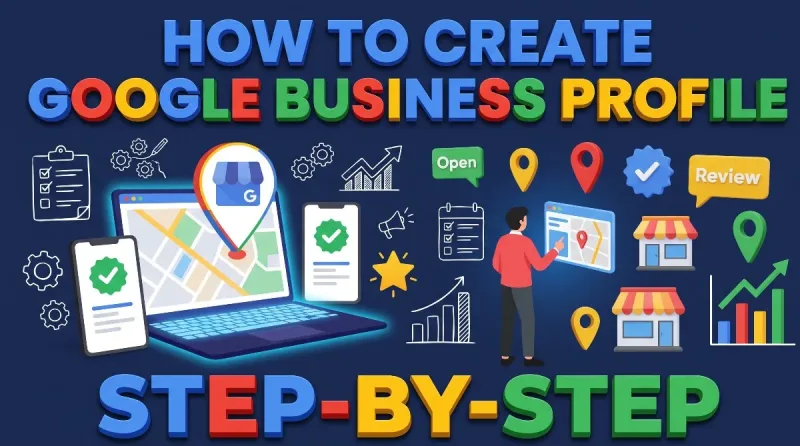
How to Create a Google Business Profile: The Complete Step-by-Step Guide
If you run a business, whether it is a neighborhood bakery, a mobile plumbing service, or a boutique marketing agency, being invisible on Google is equivalent to keeping your storefront lights off. Every single day, millions of people turn to Google Search and Google Maps to find local services, check opening hours, read reviews, and get directions.
Setting up your Google Business Profile (formerly known as Google My Business) is the single most effective, free action you can take to put your brand directly in front of nearby customers right when they are ready to buy.
In this comprehensive guide, we walk you through everything you need to know about how to create a Google Business Profile, get it verified quickly, and optimize it to outrank your local competition.
What Is a Google Business Profile?
A Google Business Profile (GBP) is a free business listing tool provided by Google. It allows business owners to manage how their brand appears across Google Search and Google Maps.
When someone searches for a query like "coffee shop near me" or enters your exact company name, your profile can surface in two high-value locations:
-
Google Local 3-Pack: The block of three highlighted local businesses appearing at the top of Google Search results, complete with a map snippet, star ratings, and contact links.
-
Google Maps Results: The interactive pin and accompanying sidebar detailing your location, working hours, photos, and reviews.
Your profile serves as your digital storefront. It provides immediate answers to crucial customer questions: Are you open right now? Where are you located? What do other customers say about your service? How do I call you?
Why Every Local Business Needs One
Claiming and optimizing your profile delivers several distinct advantages:
-
Zero-Cost Local Visibility: GBP is 100% free. You do not need an ad budget to show up on Google Maps.
-
Higher Conversion Rates: Searchers using local intent keywords are typically in the evaluation or purchase phase. Displaying an active phone number, address, and booking link turns searchers into paying clients within minutes.
-
Social Proof Through Reviews: Genuine customer reviews build trust faster than any promotional copy. A well-reviewed profile gives hesitant buyers confidence.
-
Valuable Analytics: Google gives you backend insights showing how many people found you, the exact search queries they typed, whether they requested directions, and how many placed phone calls directly from the listing.
Pre-Setup Checklist: What You Need Before You Start
To ensure the setup process goes smoothly, gather the following details before logging into Google:
| Information Needed | Details / Requirements |
| Google Account | A standard Google Workspace or Gmail account dedicated to your business. Avoid using a personal account that you might lose access to or share with family. |
| Official Business Name | Your real-world business name, exactly as it appears on your signage, registrations, and legal documents. |
| Physical Address or Service Area | A verifiable street address (no P.O. boxes or virtual office suites allowed) or defined cities/postal codes if you deliver or travel to clients. |
| Primary Category | The most accurate description of your primary offering (e.g., Italian Restaurant, Electrician, Dental Clinic). |
| Phone Number & Website | A direct local phone number and your official website URL. |
| High-Quality Photos | Photos of your physical location (exterior and interior), staff at work, products, or completed projects. |
Step-by-Step: How to Create Your Google Business Profile
Follow these steps to set up your profile from scratch.
Step 1: Sign In to Google Business Profile Manager
Head over to [google.com/business](https://google.com/business) in your web browser. Click the Manage now or Sign in button. Ensure you are signed in with the specific Google Account intended for company administrative use.
Step 2: Enter Your Business Name
Type your registered business name into the search bar.
As you type, Google checks its database to see if an auto-generated listing already exists.
-
If your business name appears in the dropdown menu, click it to claim the existing listing.
-
If nothing matches, select Create a business with this name.
Important Rule: Do not stuff keywords into your business name (e.g., writing "Apex Plumbing - Best Emergency Plumbers 24/7" instead of simply "Apex Plumbing"). Doing so violates Google’s Guidelines for Representing Your Business and can result in immediate listing suspension.
Step 3: Choose Your Business Type
Google asks you to choose between three primary operational models:
-
Online retail: Customers buy products through your website.
-
Local store: Customers visit your physical location in person.
-
Service business: You visit or deliver to customers at their location.
Select all options that apply to your day-to-day operations.
Step 4: Select Your Primary Business Category
Your primary category is one of the most powerful ranking factors in local SEO. It informs Google’s algorithm about what searches match your business.
-
Choose the most specific category possible. If you are an orthodontist, pick Orthodontist rather than just Dentist.
-
If you run a niche business, pick the closest match. You can add secondary categories later, but your primary category should reflect your core revenue driver.
Step 5: Enter Your Business Location
Your address configuration depends on whether clients visit you or you travel to them:
-
Brick-and-Mortar Businesses: Enter your exact street address, city, state, and postal code. Ensure the map pin sits accurately over your entrance. Google will verify this address.
-
Service Area Businesses (SABs): If you operate out of a private home office or run a mobile trade (like carpet cleaning or pest control) and do not serve customers at your home, select No when asked if you have a location customers can visit. On the next screen, define the specific cities, regions, or postal codes you service. Your private home address remains hidden from the public map.
Step 6: Add Your Contact Information
Provide your active business phone number and website URL:
-
Use a local landline or direct business mobile number rather than a toll-free number whenever possible, as local area codes reinforce geographic relevance.
-
Ensure your website URL includes
https://and links to your primary homepage or dedicated local landing page.
Step 7: Complete Verification
Google requires verification before your profile is made visible to the general public. Verification confirms that you are the legitimate owner or authorized manager of the business.
Depending on your industry, location, and account history, Google may present one or more of the following verification methods:
-
Video Recording: You record a continuous, unedited video showing your street signs, exterior business signage, workspace, and tools of trade (such as unlocking the front door, showing a POS system, or displaying business registration paperwork).
-
Live Video Call: You speak with a Google support representative to demonstrate your workspace and proof of operation in real time.
-
Text Message or Phone Call: Google sends a short automated code via SMS or voice call to your listed business number.
-
Email Verification: A verification code is sent to an email address sharing your website's custom domain name (e.g.,
info@yourdomain.com). -
Postcard by Mail: Google mails a physical postcard containing a 5-digit verification code to your registered address (usually arriving within 5 to 14 business days).
Follow the prompts carefully. If your listing requires video verification, ensure you record clear footage showing access to restricted staff areas, branded vehicles, or official licensing documents.
Optimizing Your Profile for Maximum Visibility
Simply creating a profile is only half the battle. To rank within the coveted Google Local 3-Pack, you must fully optimize your listing details.
1. Maintain 100% Completeness
Incomplete profiles rank poorly. Fill out every available field in your dashboard:
-
Operating Hours: Set exact opening and closing times. Keep holiday hours updated whenever your schedule shifts.
-
Attributes: Mark relevant tags such as Wheelchair accessible entrance, Free Wi-Fi, Identifies as women-owned, or Outdoor seating.
-
Special Menus or Service Lists: Add itemized services with pricing and descriptions. For instance, a law firm should list specific practice areas like Estate Planning, Contract Review, and Probate Litigation.
2. Craft a Compelling Business Description
Google allows up to 750 characters for your business overview. Use this space wisely:
-
Use a clear, professional tone that explains what you do, who you serve, and what makes your approach unique.
-
Naturally incorporate your primary services and city name without awkward keyword repetition.
-
Highlight your experience, certifications, or history in the community.
-
Avoid including URLs, promotional coupon codes, or sales pitches with excessive capital letters.
3. Upload High-Resolution Photos Regularly
Listings with fresh, high-quality photos receive significantly more direction requests and website clicks than those without visuals.
Aim to include:
-
Logo and Cover Photo: Keep your logo clean and square; make your cover photo an inviting, wide shot of your location or team.
-
Exterior Shots: Capture your storefront from different angles during daylight so customers easily spot your building from the road.
-
Interior Atmosphere: Showcase your waiting room, dining area, or retail shelves.
-
Team in Action: Photos of real employees working establish immediate authenticity. Skip generic stock photos—Google’s automated review systems often detect and remove them.
4. Build a Proactive Review Collection Strategy
Reviews are a major local search ranking factor and the ultimate conversion driver.
-
Generate a Direct Review Link: In your GBP dashboard, click Ask for reviews to copy your unique short link. Send this link to clients via email follow-ups, invoices, or post-purchase SMS messages.
-
Respond to Every Review: Take the time to thank clients for positive remarks. If you receive a negative review, reply promptly, calmly, and professionally. Acknowledge the issue, avoid getting defensive, and offer to resolve the matter offline via a direct phone number or support email. Prospective customers pay close attention to how business owners handle criticism.
5. Use Google Posts for Timely Updates
The Google Posts feature acts like a mini-social media feed tied directly to your profile. You can share:
-
Seasonal promotions and discounts
-
Announcements about new products or service expansions
-
Upcoming events, workshops, or webinars
-
Company news or emergency schedule changes
Posts expire after a set duration or remain visible in your updates tab, signaling to Google that your business is active and engaged.
Common Mistakes That Lead to Suspensions
Google actively suspends profiles that violate their policies. Protect your listing by steering clear of these common missteps:
-
Using a Virtual Address or UPS Store: Google requires a genuine physical location or a declared service area. Using a rented mailbox, co-working virtual address, or P.O. box to fake a local presence is a leading cause of immediate hard suspensions.
-
Inconsistent NAP Data: Your Name, Address, and Phone number must match across your website, social profiles, and external local directories. Inconsistent listings confuse search engines and harm rankings.
-
Keyword Stuffing the Business Name: Stick strictly to your legal business name. Adding slogans, geographic targets, or service descriptions to the title field will draw penalties or competitor edits.
-
Creating Duplicate Listings: Do not create separate profiles for individual team members unless they are licensed public practitioners (such as doctors, real estate agents, or attorneys) operating under distinct, verifiable conditions outlined in Google's guidelines.
Turn Local Searches into Lasting Customers
Creating your Google Business Profile is a foundational step for your digital marketing. By claiming your profile, completing verification, and maintaining accurate, engaging information, you establish instant credibility on Google Search and Maps.
Make profile management part of your weekly workflow: upload new photos, answer customer inquiries via the messaging tab, publish timely updates, and consistently request feedback from satisfied clients. Consistent maintenance keeps your business prominent, trusted, and thriving in your local market.